
The I.U.P.A. Research Department is asked by local leaders to conduct research for our members such as SurveyMonkey surveys to collect information on topics of interest; research reports on equipment, resources, and matters of LEO safety; wage and benefits surveys to use for negotiations; and more.
The I.U.P.A. Research Department received a request to find a list of peer support/CISM programs in the State of Florida, and upon discovering that no such list was readily accessible in a search, promptly began a survey of departments in Florida to compile the necessary information.
The survey questions were emailed to every Chief and Sheriff in the State of Florida, using Florida Department of Law Enforcement contact lists available online. Survey questions included:
- Does the agency/department have a designated Peer Support/CISM Team in place?
- Do they have an established policy and/or written directive?
- Is the team made up of sworn and non-sworn members?
- Is there incentive/specialty pay for being on the team?
- Does the member receive “on call” pay for periods when required to answer the phone?
- Do they receive call-out pay (or is it an honor system to answer)?
Over seventy departments responded to the survey emails and the information was entered into a survey available to I.U.P.A. local presidents upon request to make the information more accessible to members who might require it.
To express the importance of peer support/CISM teams and the difference between them, Virginia Peer Support Association shared on their website, “Understanding the role of Peer Support and how it relates to CISM and CISD services is an important question for Peer Support Teams and CISM /CISD teams alike. Critical Incident Stress Management Teams have historically been tasked with providing debriefings, defusings or demobilization based on the ICISF model of Critical Incident Stress Management (CISM) but have NOT been trained in the provision of proactive and even responsive peer support services. While it is true that CISM teams do provide a “focused” peer support service when delivering a Critical Stress debriefing, defusing, or demobilization, they have historically not been trained to offer “general” peer support services; those support services offered outside of a singularly stressful event.”
Danielle Rousseau wrote an article for Boston University, “Peer Support for Law Enforcement”, in which she shared, “Over the past couple of years, there has been a big push for teams that are called ‘Peer support groups’. Basically, a peer support group is a team of law enforcement officers (peers) and mental health professionals that make themselves available to their co-workers and to other law enforcement officers who belong to different agencies. The people on this team are there to lend their support, empathy, and anything else that may be needed for the fellow brother or sister that is struggling mentally or has experienced some traumatic event. And because these people are ‘peers’, police officers tend to feel more comfortable seeking them out and opening up to them.”
Rousseau continued, “In addition, peer support is not a loosely put together idea that sounds good on paper but is not proven in the field. The COPS office in the Department of Justice has outlined a program that can help establish peer support teams, spanning from the biggest departments to the smaller, more rural departments. In the article ‘Peer Support for Officer Wellness’, it breaks down why it is important for a peer support team, and it also lays out a roadmap on how to successfully implement this kind of program in any department (www.cops.usdoj.gov).”
Rousseau concluded, “In conclusion, police officers are people too who experience the same kind of emotions as everyone else. The job of a police officer is rewarding, but it can also be taxing both physically and mentally. Seeking out help is no longer frowned upon. In fact, it’s encouraged. Peer support teams are an important part of this profession, and it is a movement that needs even more recognition than it is currently receiving. It is okay to not be okay. The support is out there.”
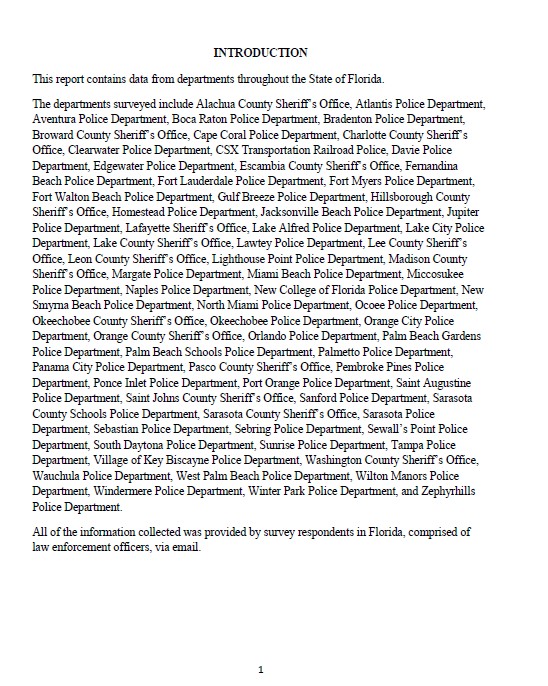
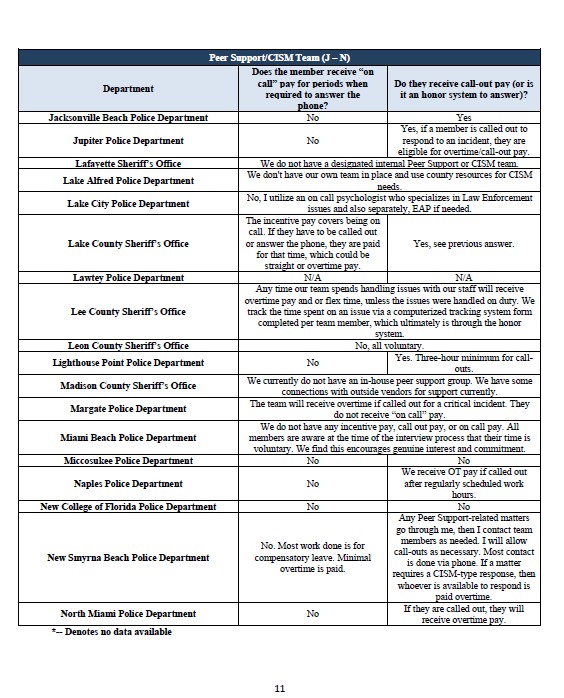
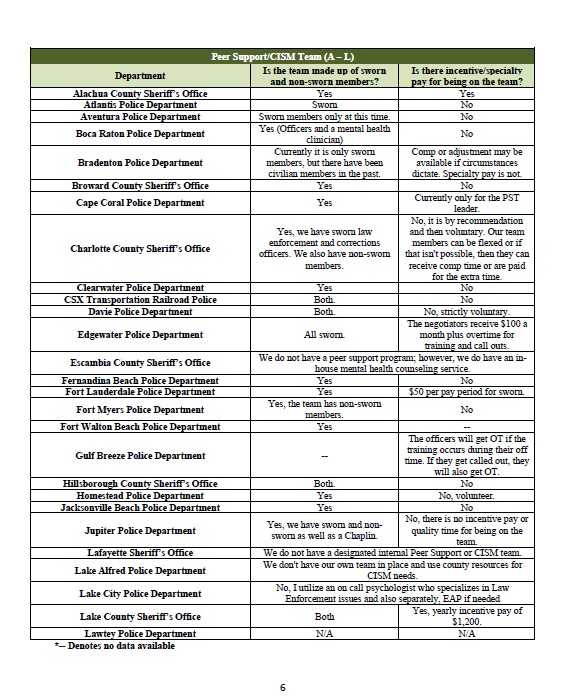
The I.U.P.A. Research Department has this survey (along with related policies that were collected in the course of this project) and other previously completed research available to local presidents upon request listed at https://iupa.org/index.php/research-department/. Ask your local’s president to contact the I.U.P.A. Research Department today at alinaj@iupa.org to request a copy of this survey as well as other previously completed research that is of interest to LEOs. If you need peer support and are unsure of where to go to find it, contact your local president to help you. If local presidents require assistance in locating peer support services in their area, contact the I.U.P.A. Research Department for assistance and we would be happy to research it for you.
Related Articles
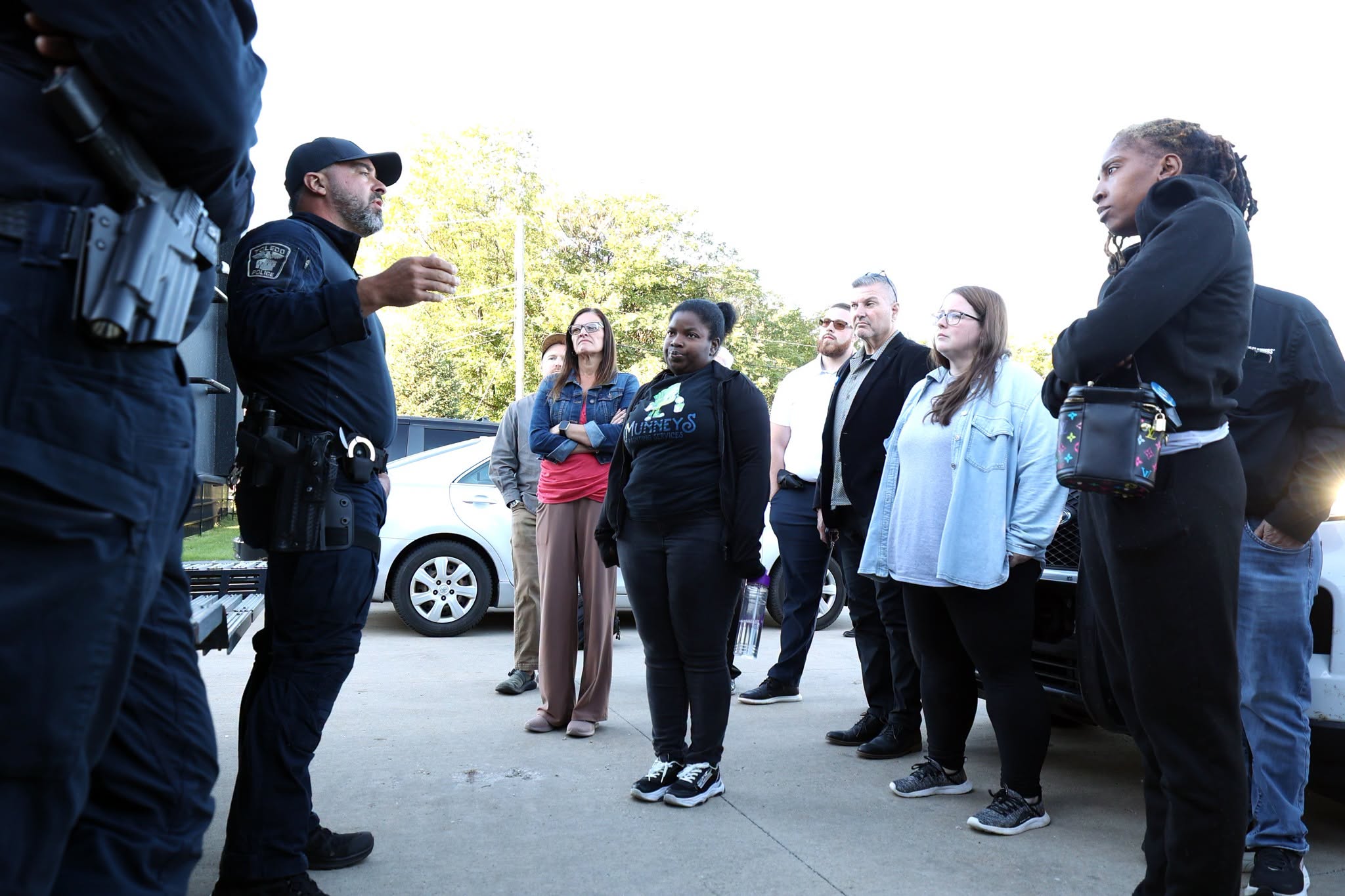
Toledo Police Patrolman's Assn., I.U.P.A. Local #10 Members showed Ambassador Academy members around the station! Toledo Police Department shared about it on social media,[...]

From colorful leaf-peeping drives to wine tastings and harvest festivals, save 5% with Union Plus and Viator on 300,000+ experiences worldwide this fall.[...]
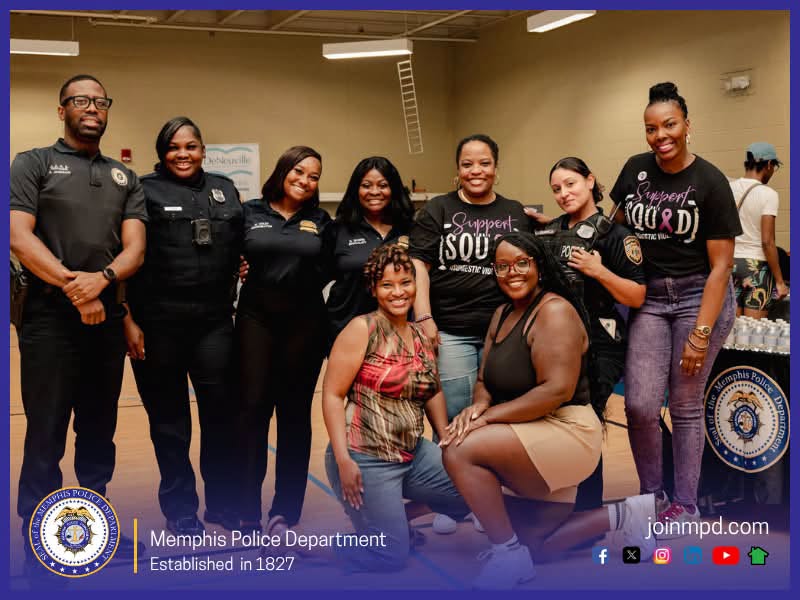
Memphis Police Association, I.U.P.A. Local #318 Members joined with the Memphis community to support survivors of domestic violence. Memphis Police Department shared about it[...]
